Vaccinations, Microchipping, and Vet Checks Explained

st ives veterinary cat vaccines

Munchkin Cat UK

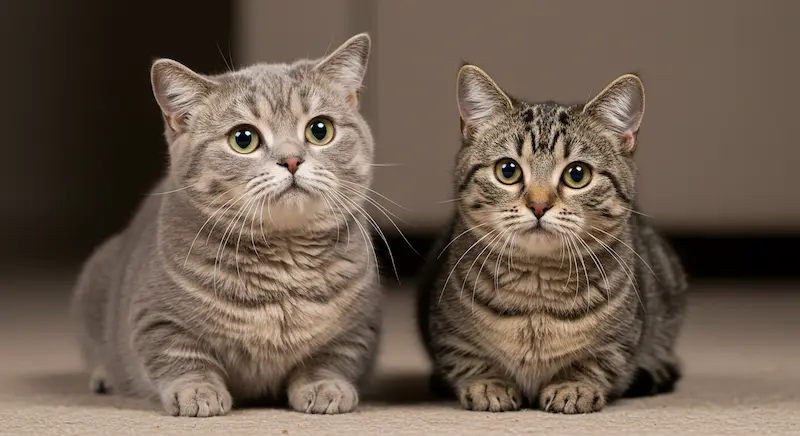
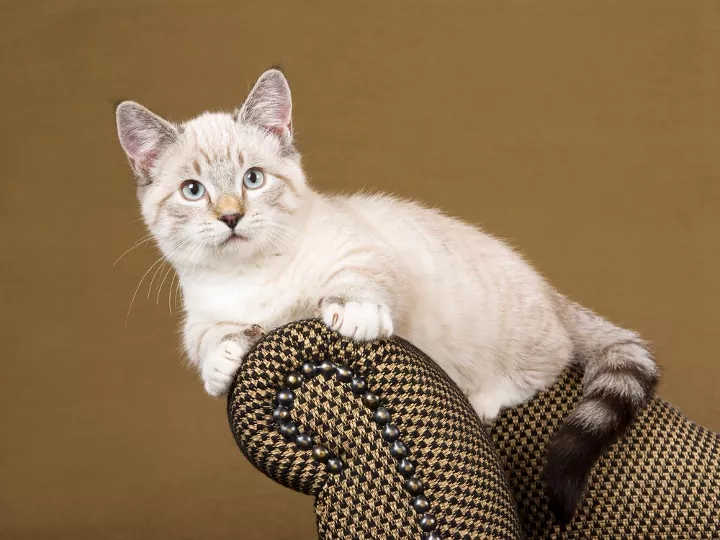
Munchkin cat UK may be small with short legs, but their care needs are anything but small. Their unique structure, playful energy, and affectionate personalities make them wonderful companions. At the same time, their build can make them more vulnerable to joint strain, weight gain, and mobility challenges if preventive care is overlooked.Routine veterinary care, proper grooming, weight management, and early prevention are essential to keeping a Munchkin healthy and comfortable throughout life. While the basics stay the same, the focus shifts as your cat grows.

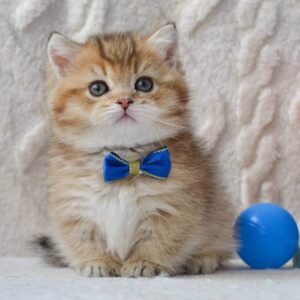
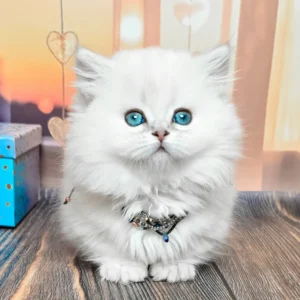
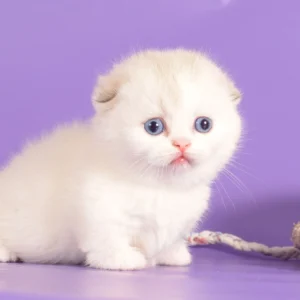
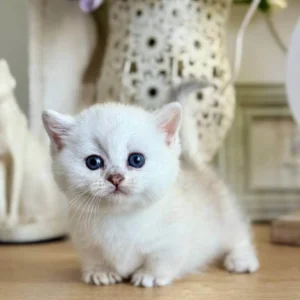
Munchkin Kittens for Sale

Munchkin Cat UK (0–12 Months)

Vaccinations

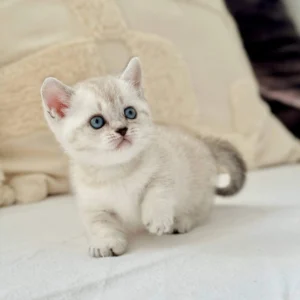
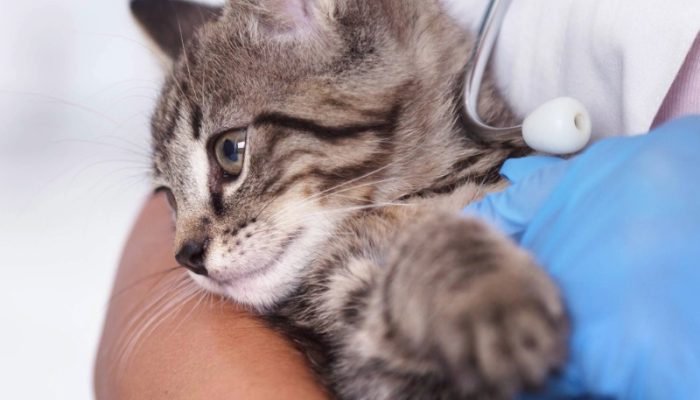
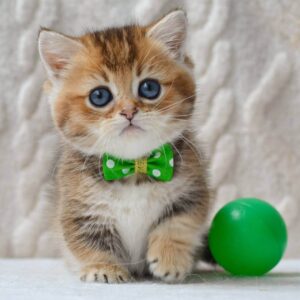
Munchkin kittens for sale UK should begin core vaccines at 6–8 weeks of age, with boosters every 3–4 weeks until about 16 weeks. Core vaccines typically protect against:

  • Feline viral rhinotracheitis

  • Calicivirus

  • Panleukopenia

  • Rabies (as required by law or region)

These vaccines build the immune foundation they will rely on for life.

Parasite Prevention

  • Deworm every 2 weeks until 12 weeks of age

  • Then monthly until 6 months

  • Begin flea prevention appropriate for their size

  • Heartworm prevention may be recommended in mosquito-heavy areas

Grooming

Start grooming early so kittens become comfortable with handling.

  • Short-haired: brush weekly

  • Long-haired: brush daily to prevent matting

  • Introduce nail trimming and ear checks gradually

Dental Care

Begin gentle brushing using kitten-safe toothpaste. Early exposure prevents resistance later and helps avoid plaque buildup.

Spaying or Neutering

Most veterinarians recommend surgery between 5–9 months of age. Early sterilization prevents unwanted litters and reduces risks of reproductive diseases while also minimizing spraying and roaming behaviors.

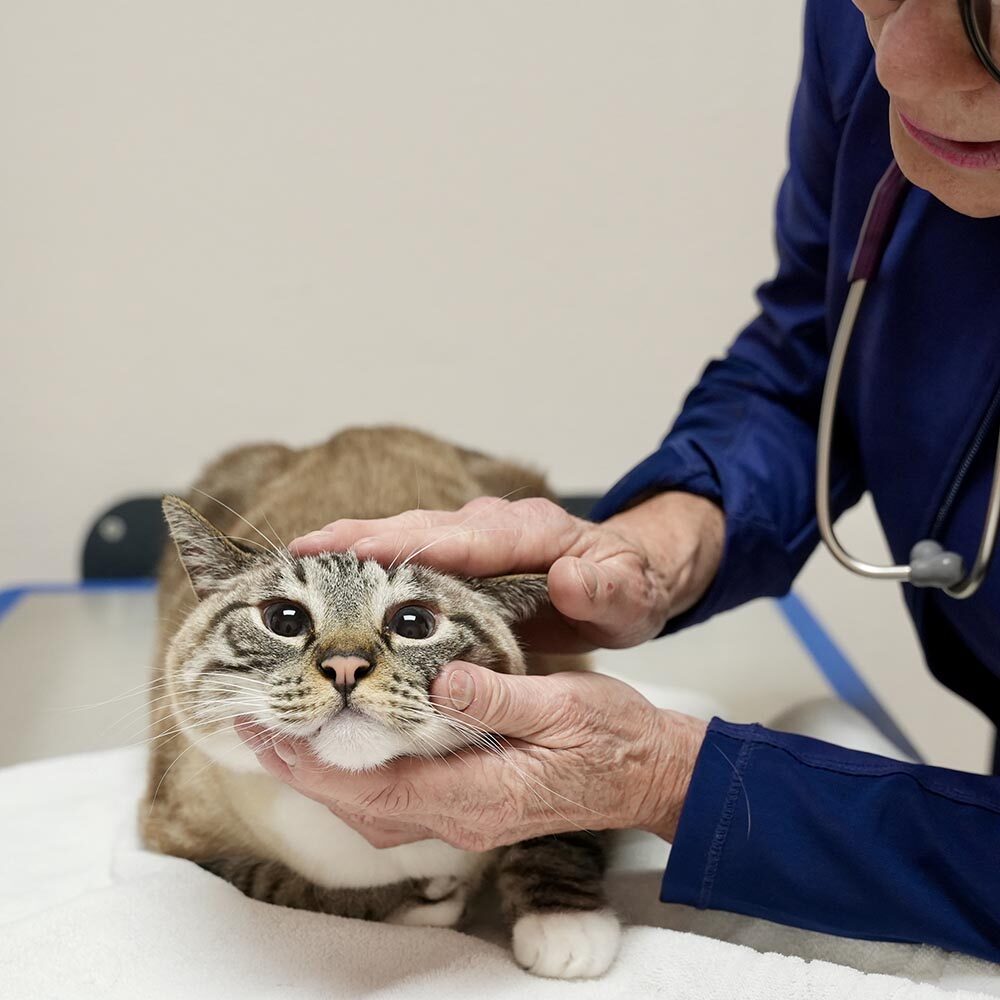
cat examination circle 01116631822be65118e5732e76bb6676 s6t5k1glf7ni

Young Adult Munchkins (1–2 Years)

Vaccinations

Annual booster shots help maintain immunity.

Parasite Control

  • Deworm every 3 months

  • Continue monthly flea and tick prevention
    Even indoor cats need protection since parasites often enter homes on clothing or other pets.

Grooming Routine

By now grooming should be a habit.

  • Short-haired: weekly brushing

  • Long-haired: several times weekly

  • Trim nails every 2–3 weeks

  • Check ears monthly

Baths are rarely needed unless the cat becomes dirty.

Dental Health

Permanent teeth are in place, making plaque more likely. Brush 2–3 times per week and consider vet-approved dental aids.

microchipping

Adult Munchkins (4–8 Years)

Vaccinations

Rabies and core boosters remain essential. Your veterinarian may adjust the interval depending on vaccine type and lifestyle.

Parasite Prevention

Continue:

  • Quarterly deworming

  • Monthly flea, tick, and heartworm prevention

Grooming Needs

Adult Munchkins shed moderately year-round.

  • Short-haired: weekly brushing

  • Long-haired: daily brushing

  • Monthly ear cleaning

  • Trim nails regularly to prevent posture strain

Dental Care

Dental disease becomes more common at this stage. Daily brushing is ideal, and professional cleanings may be needed every 1–2 years.

Weight and Joint Monitoring

Weight control is critical. Extra pounds place stress on their spine and short limbs.

  • Feed measured portions

  • Avoid free-feeding

  • Encourage daily play

  • Ask your vet about joint-support supplements if needed

Senior Munchkins (8+ Years)

Vaccinations

Senior cats still require core vaccines, though schedules may be adjusted based on health status. Rabies vaccination is still required in many areas.

Parasite Prevention

Continue regular parasite control using gentle, veterinarian-approved products suited for aging skin.

Grooming Changes

Older cats groom themselves less effectively.

  • Brush several times weekly to prevent mats

  • Trim nails more often, as seniors are less active

  • Watch for thinning coats or sensitive skin

Dental Support

Tooth loss and gum disease are more likely. Maintain brushing when tolerated and schedule regular dental evaluations. Soft or wet food may help cats with oral discomfort.

Mobility and Comfort

Aging Munchkins benefit from small environmental adjustments:

  • Provide ramps or steps to reach furniture

  • Maintain lean body weight

  • Use joint-support diets if recommended

  • Keep litter boxes easily accessible

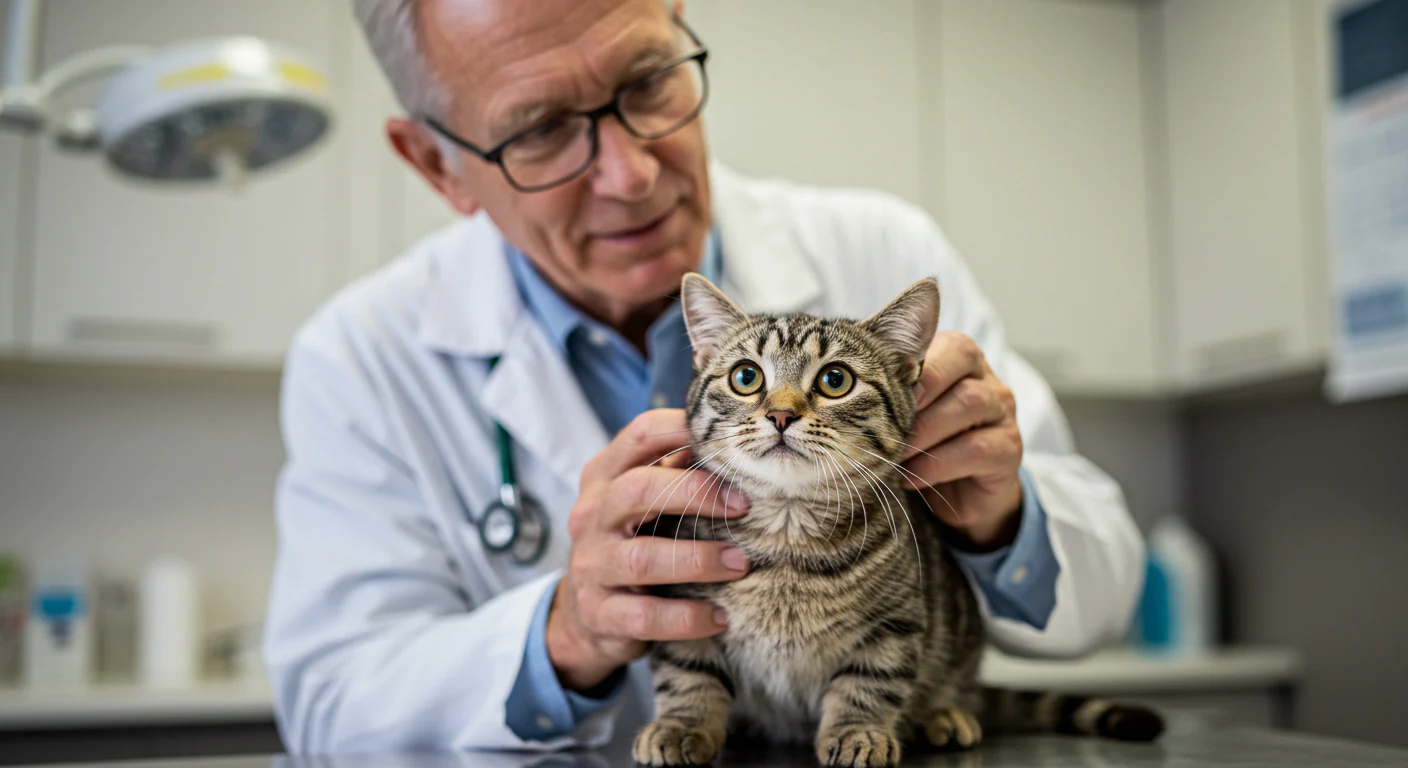
munchkin cat vet visit 2

The Big Picture

Preventive care is not just about avoiding illness. It’s about protecting your Munchkin’s comfort, mobility, and quality of life.

Because of their body structure, they rely heavily on:

  • Weight control

  • Joint support

  • Routine grooming

  • Consistent veterinary care

  • Dental maintenance

  • Ongoing parasite protection

Staying proactive is always easier and kinder than treating preventable problems later.

With the right care, Munchkin cats can enjoy long, playful lives filled with curiosity, affection, and their signature charm.

F.A.Q.

Frequently Asked Questions

Start as early as possible. Early handling helps kittens accept brushing, nail trimming, and ear care without stress.

They require annual boosters after completing their kitten series.

Dental disease can lead to pain, tooth loss, and even organ issues if bacteria enter the bloodstream.

Yes. Parasites can enter homes through shoes, clothing, or other pets.

Feed measured meals, limit treats, and encourage daily activity. You should be able to feel ribs without pressing hard.

Gentle grooming, frequent nail trims, easier access to favorite spaces, and closer monitoring of joints and teeth.

Yes, though your veterinarian may tailor the schedule to their overall health.

Leave a Comment

Your email address will not be published. Required fields are marked *

Scroll to Top