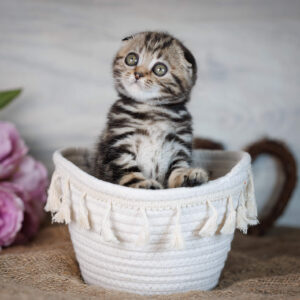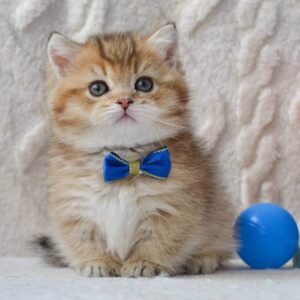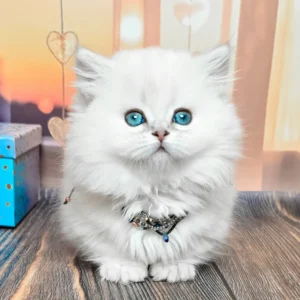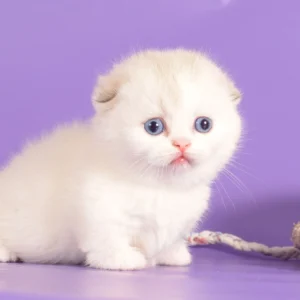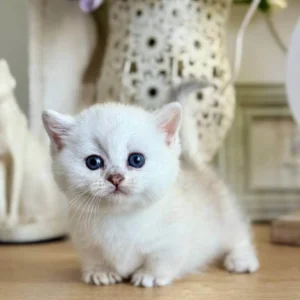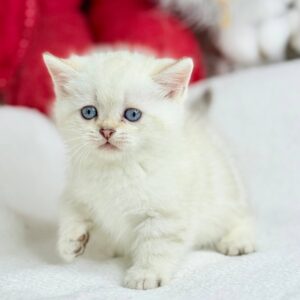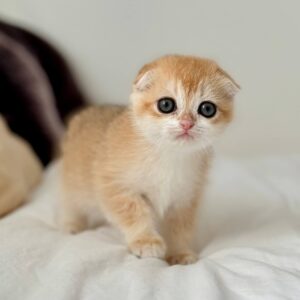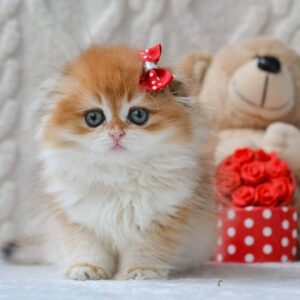
What to Expect When Buying a Munchkin Kitten for the First Time

are munchkin cats natural

Are Munchkin Cats Natural

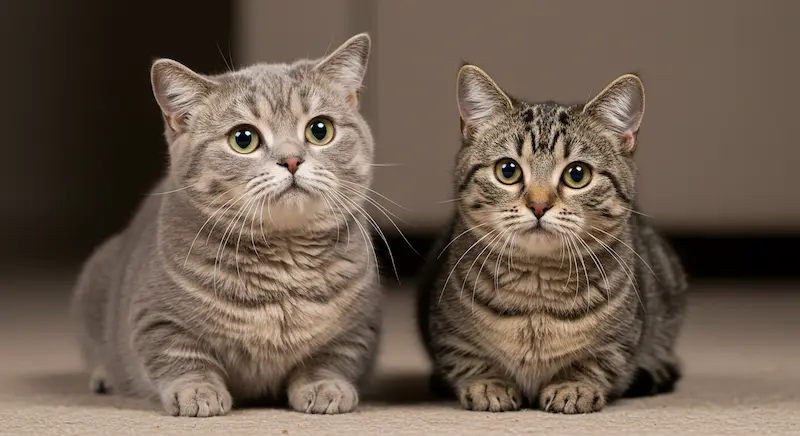
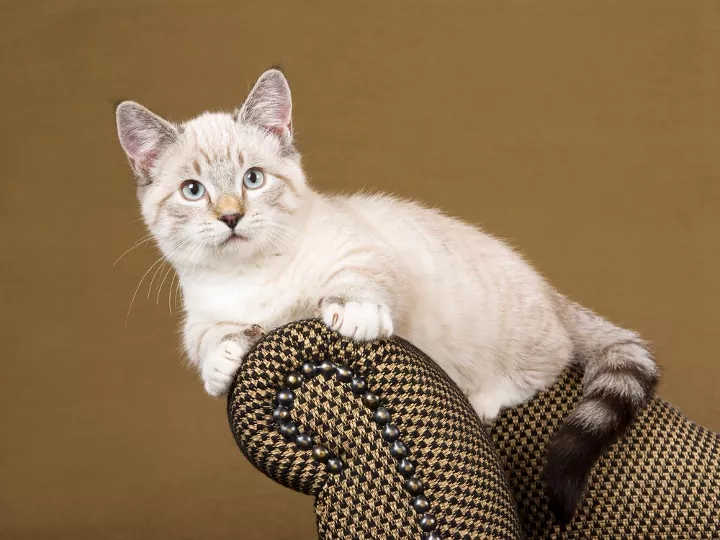
The munchkin cat is one of the most unique-looking and controversial cat breeds in the feline world though some keep asking are munchkin cats natural. With their distinctively short legs and playful, dog-like personalities, munchkins have won the hearts of many cat lovers. But owning one of these miniature marvels isn’t for everyone.If you’re considering bringing home a munchkin, there are several things you need to know to make an informed and responsible decision. This guide will walk you through everything from breed traits to health concerns, grooming needs, and ethical considerations.
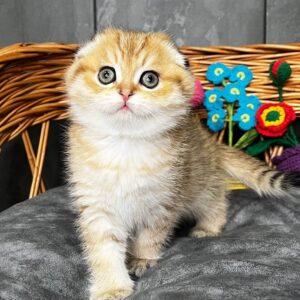
The Origins of the Munchkin

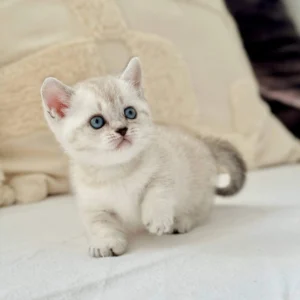
Our Munchkin kittens for sale UK is named after the tiny characters in The Wizard of Oz. The breed emerged in the early 1980s in the United States, where a short-legged stray was discovered and selectively bred. These cats are not dwarfs in the traditional sense but are the result of a naturally occurring genetic mutation that affects the length of their limbs.

Despite some controversy, the breed was officially recognized by The International Cat Association (TICA) in 1994. However, it is still not recognized by other major registries such as the Cat Fanciers’ Association (CFA), largely due to ongoing ethical debates surrounding the breed’s health and mobility.

Munchkin Kittens for Sale

Understanding the Munchkin’s Unique Physique

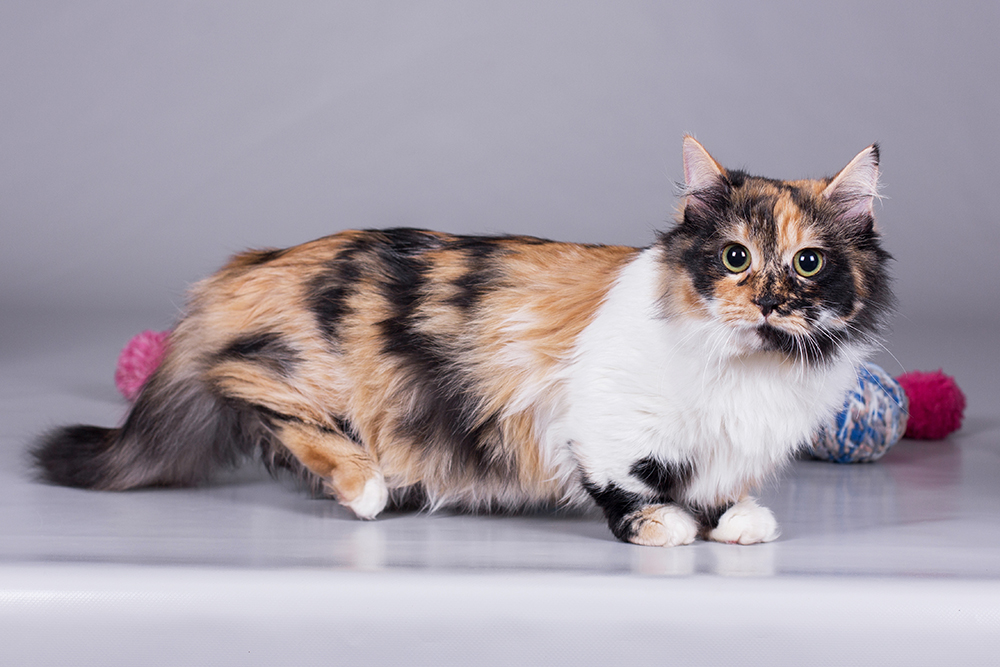
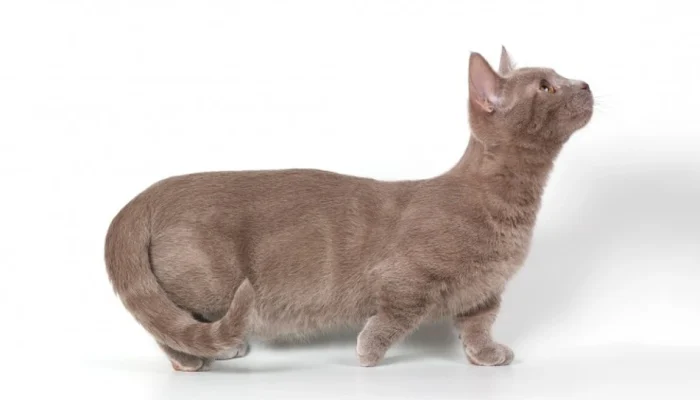
Before you search for a munchkin cat for sale, it’s important to understand the breed’s most defining feature their short legs. This trait is caused by a genetic mutation known as achondroplasia. While this gives them a permanently kitten-like appearance and contributes to their appeal, it can also lead to skeletal issues.


Some munchkins may experience spinal problems, arthritis, or lordosis (a condition where the spine curves abnormally). Not every munchkin suffers from these issues, but the risk is higher compared to long-legged breeds. This is a critical point to consider when choosing a breeder or deciding whether the munchkin is the right pet for you.

Personality and Behavior

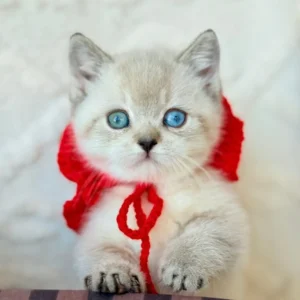
If you’re exploring listings on kittensup4sale or similar websites, you’re probably enchanted by their cute faces and compact size. But munchkins are more than just adorable. They’re known for being outgoing, sociable, and highly intelligent.

Often described as “puppy-like”, munchkins are playful and tend to enjoy games like fetch. They’re also quick learners and can even be trained to walk on a leash.

These cats are often extroverted and love being around people. They get along well with children, other cats, and even dogs, making them an excellent choice for a multi-pet household. Just be sure you can provide them with plenty of stimulation and playtime, they’re far from lazy lap cats.

lovely,kitten,munchkin,plays.,cat.

Care Requirements

1. Exercise and enrichment. Despite their short legs, munchkins are agile and love to run, jump, and climb. You might be surprised to see just how fast and nimble they can be. Provide them with climbing trees, tunnels, and interactive toys to keep them mentally and physically stimulated.

2. Grooming needs. Their grooming routine depends largely on the type of coat. Munchkins can be short-haired or long-haired. Short-haired varieties require weekly brushing, while long-haired ones need more frequent grooming to avoid mats and tangles. Regardless of coat length, regular nail trimming, ear cleaning, and dental care are essential.


3. Diet. There’s nothing particularly unique about a munchkin’s dietary needs, but due to their altered skeletal structure, it’s important to prevent obesity. Excess weight can increase the strain on their spine and joints. Choose high-quality cat food, and avoid overfeeding.

Health Considerations

Munchkins typically have a lifespan of 12 to 15 years if properly cared for. However, because the breed is relatively new and somewhat controversial, long-term data on their health is limited. Here are some conditions to be aware of:

  • Lordosis. This abnormal spinal curvature can be serious and sometimes fatal.
  • Pectus excavatum. A condition where the breastbone sinks into the chest.
  • Osteoarthritis. Especially in older munchkins, joint pain and reduced mobility can occur.

Reputable breeders will test their cats for genetic disorders and avoid breeding animals that exhibit severe traits or suffer from health issues. Always request health clearances and consider adopting from breeders who prioritize welfare over appearance.

kitty cats pillow 1288x800

The Ethical Debate

The munchkin cat breed often finds itself at the center of an ethical debate. Critics argue that breeding cats for physical deformities — even if they appear to live happy lives is inherently unethical. They compare it to the selective breeding of dogs that results in chronic health issues (like pugs with breathing problems).

Supporters argue that with responsible breeding and veterinary oversight, munchkins can live perfectly healthy, happy lives. They point out that the mutation occurs naturally in the wild and doesn’t necessarily shorten lifespan or cause chronic pain in all individuals.

Ultimately, it’s a personal decision, but it should be informed by careful research and compassion.

Finding a Responsible Breeder

If you’ve weighed the pros and cons and are still committed to bringing a munchkin into your home, your next step is finding a responsible breeder. Here are some tips:

  • Avoid impulse buys from social media ads or low-quality online listings.
  • Ask questions about the kitten’s lineage, health testing, and socialization.
  • Request to see the parents if possible, and examine the living conditions.
  • Look for contracts that include health guarantees and return policies.

A responsible breeder will be just as interested in your ability to care for the cat as you are in buying one.

Adoption as an Alternative

If you’re concerned about the ethics of breeding or simply want to provide a home to a cat in need, consider adoption. Some munchkins end up in shelters or breed-specific rescues, often due to owners being unprepared for the responsibilities involved. Adopting a munchkin — or any cat, can be a deeply rewarding experience.

Leave a Comment

Your email address will not be published. Required fields are marked *

Scroll to Top